Narrowing the idea
- Which hypothesis has to be validated and which one can wait
- The feature that justifies someone using it
- What gets left out and why, in writing
- Scope, timeline and price fixed before any code is written

Go to market with just enough to know if your idea works
I build the shortest version you can already put in front of a user, with scope and price fixed up front and foundations you will not have to throw away if it takes off.
An MVP is not half a product or a pretty demo. It is the minimum that lets you put the idea in front of a user and read what they do. This is what I build to get there without overspending.
You ship sooner, spend less and avoid unpayable debt
The problem with most MVPs is not that they ship late. It is that they ship expensive and badly founded, so when the idea works they have to be rebuilt from scratch. I build the short version, but with the technical decisions made as if it were going to grow.
You know the cost before starting
Fixed scope, timeline and price in writing. No surprise of a budget doubling halfway through.
You validate with users, not opinions
The goal is to get something in front of someone as soon as possible. What that user says is worth more than three months of meetings.
You do not throw the code away when it works
Built short but not improvised. If the idea takes off, you build on from here instead of starting over.
You talk to the person building it
One point of contact end to end. No management layers between your idea and the code that runs it.
First versions to validate an idea, built in weeks instead of quarters.
A product to validate an idea
The shortest version that already lets someone use it and tell you whether it helps.
An MVP to raise a round
Something real to show an investor, with users inside it and metrics to back it up.
Two-sided marketplace
Supply, demand and payments, with just enough to prove both sides show up.
An internal tool that becomes a product
Taking something you already use in-house to market and seeing if people outside pay for it too.
An app with AI inside
Validating that the AI feature adds something before building the whole product around it.
Rescuing a stalled MVP
Picking up a project that stopped halfway and taking it to something you can show.
I cut the idea down
I separate what has to be validated now from what can wait. This is where the real money is saved.
I fix scope and price
What is in, what is out and how a change is handled, in writing before starting. No surprises halfway.
I build in deliveries
Frequent versions you can see and try. No disappearing for two months and showing up with something else.
We launch and measure
Production, metrics and alerts. From there you decide whether to accelerate, pivot or stop, but with data.
Got an idea you need to validate before overspending?
Tell me about it







Testimonials
Teams that started with a short version and put it in front of real users.
“The project was delegated to us and Miguelo solved the hardest part: a multi-step, reusable certificate form with integrated payment. Clean design, fast loading and everything working from day one.”
 Alberto FuentesWeb developer · project partner
“We needed to get to market fast and with a site to match. Miguelo shipped it on time, blazing fast and polished to the detail on every screen.”
 Xavi RecioCEO
“We launched right in the bull run with a brutal deadline. Shipping on time was key, we started landing our first clients shortly after going live.”
 Arnau RamióCOO
“On the technical side I felt at ease from day one. Miguelo made the right tech choices and left us a fast, solid site that still holds up perfectly years later.”
 Josep BoveCTO
Common questions
What people almost always ask me before starting a first version.
The business problem behind each one, what I built and the measured outcome.
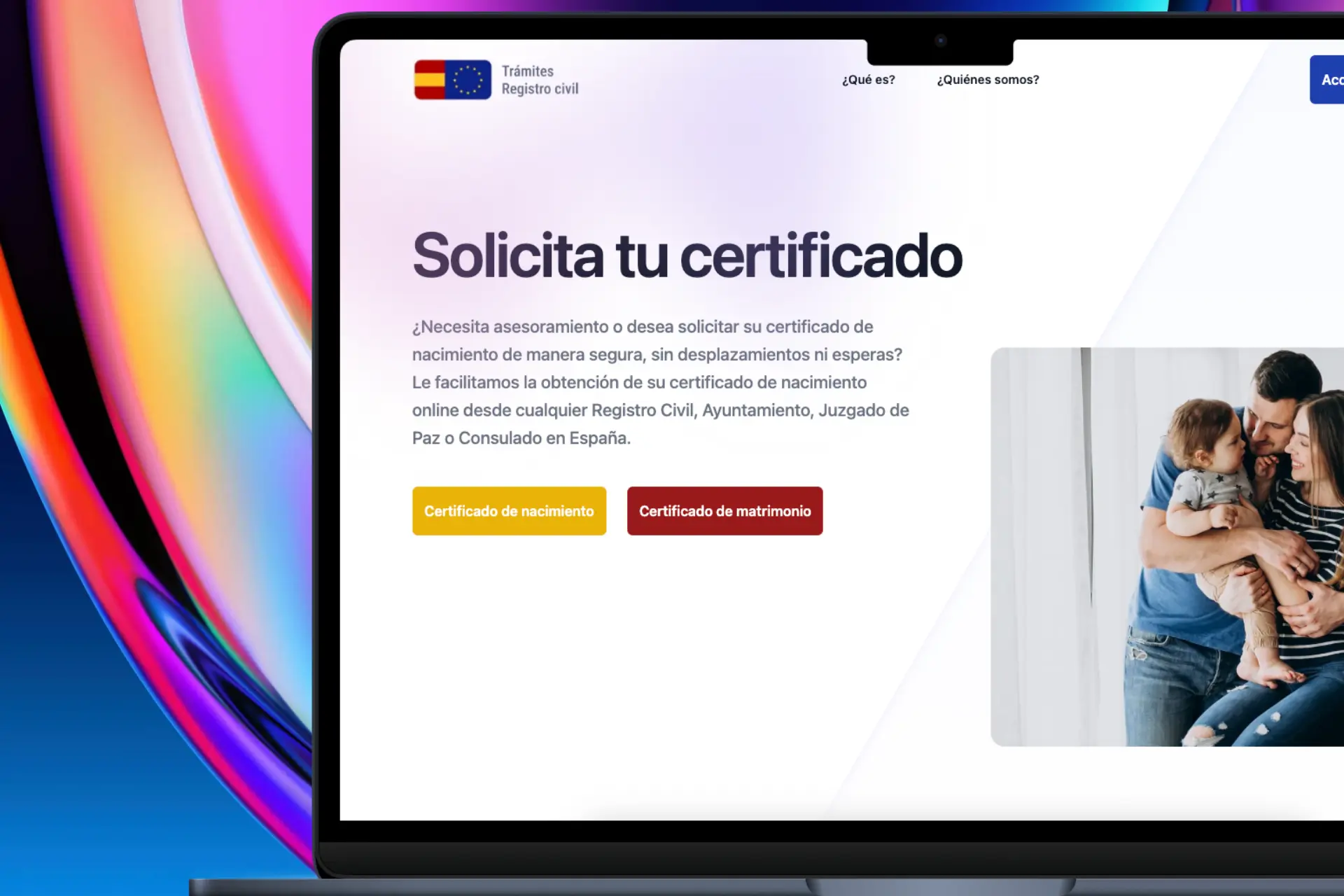 GovTech · Public administration
A modern site with a step-by-step guided procedure, reusable forms, a back office and Stripe payments that lifted organic visits and conversions.
See the solution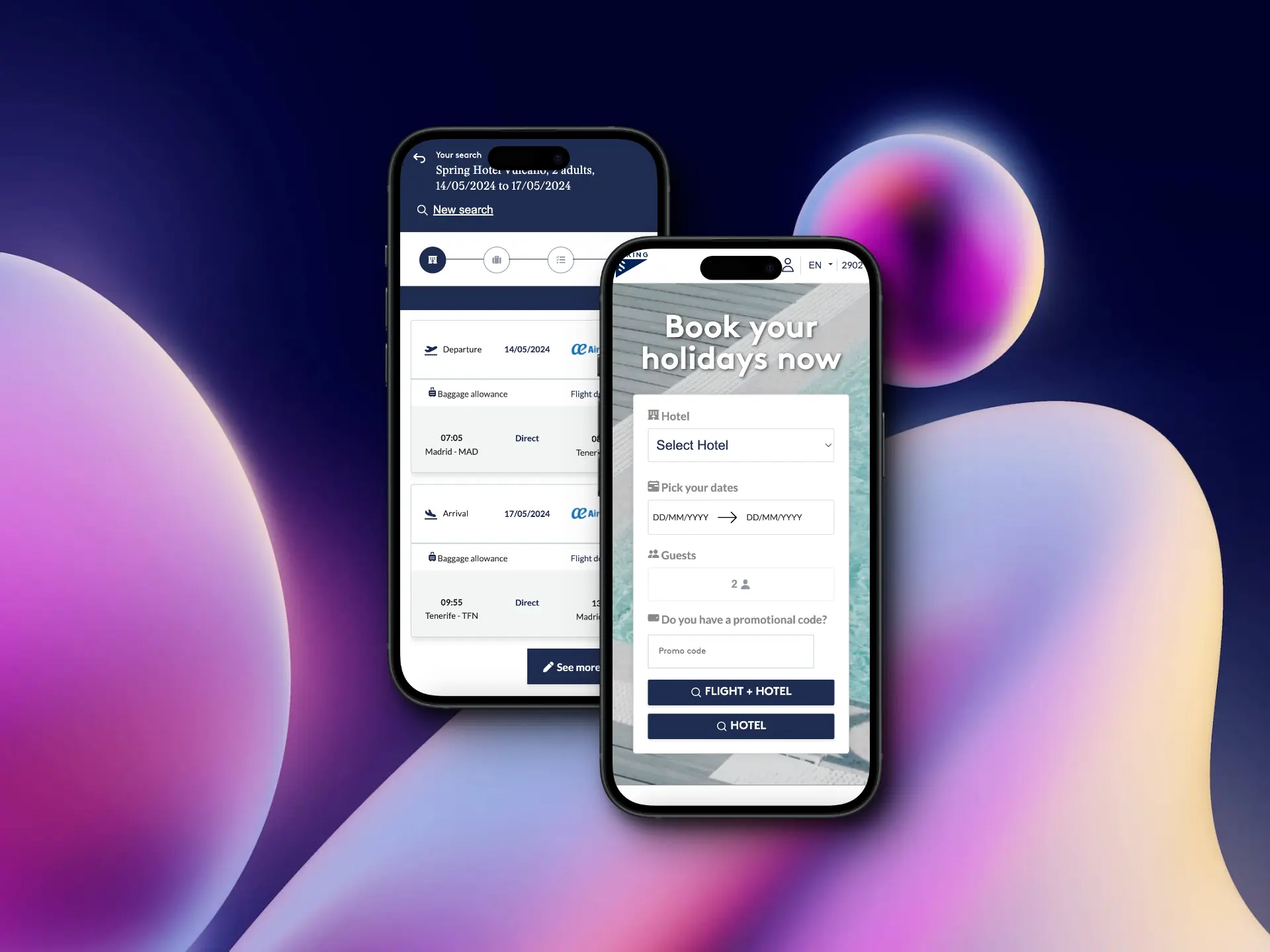 Travel · Booking engine
Rebuilding the foundation cut the build from 30 to 5 minutes, improved load and mobile, and since then sales keep rising with very little maintenance.
See the solution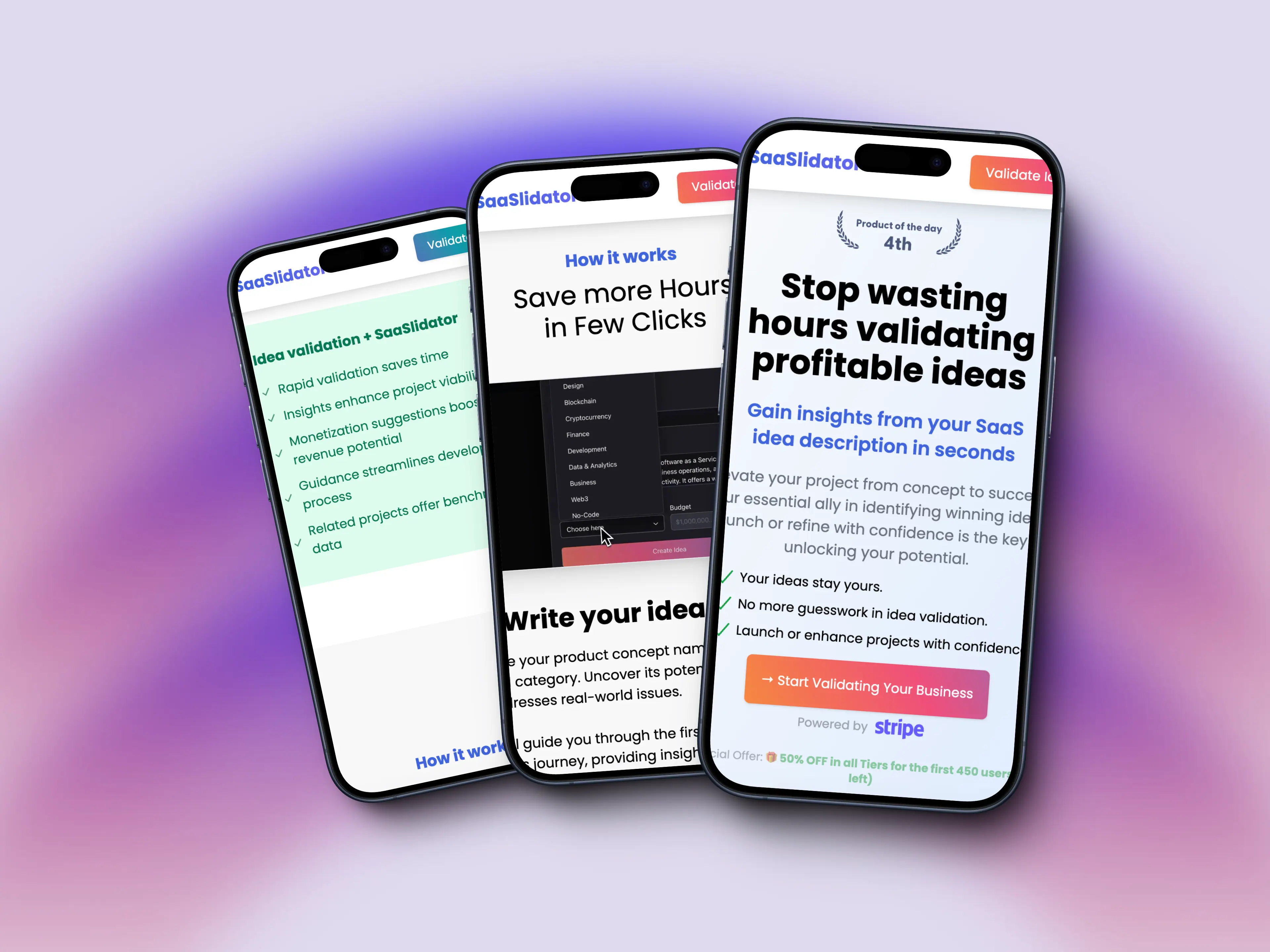 SaaS · AI
A SaaS that validates a business idea in minutes instead of hours and at a fraction of the cost, helping launch 30% more projects. It launched and did relatively well.
See the solutionWant to validate your idea with an MVP? Let's talk!